Asgard: Technical Level Design (WIP)
The Brief: A narrative driven hub world for a 3rd person Action RPG designed to anchor the player experience through intentional scale and non-linear navigation. This project focuses on implementing "weenie" design principles to guide player flow without the need for intrusive UI or invisible walls.
Core Features:
Radial Layout: Engineered for efficient player access to distinct functional zones and mission hubs.
Environmental Navigation: Utilizes dense foliage and massive architecture to intuitively guide the player through the world.
Narrative Gating: Physical level progression tied directly to quest milestones and character interactions.
Asgard Hub World: Spatial Prototyping This flythrough demonstrates the structural blockout phase of the Asgard hub, focusing on establishing a massive architectural scale and testing player sightlines. By utilizing a radial layout anchored by the central Grand Library, the design ensures intuitive navigation and a clear sense of place before moving into the final asset and material pass.
Interior Volumetric Design:
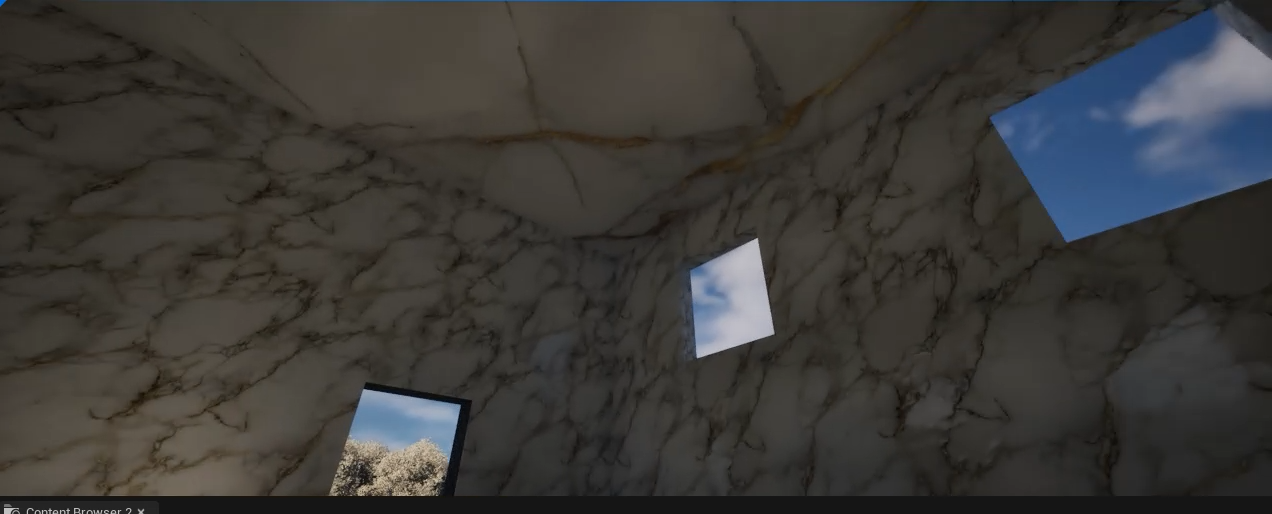
The Great Library This interior view highlights the intentional use of verticality and expansive floor space to establish a divine atmosphere within the hub. By prioritizing massive volumetric scale during the blockout phase, I ensured the architecture serves as a narrative tool, reinforcing the setting's grandiosity before the final asset and set-dressing pass.
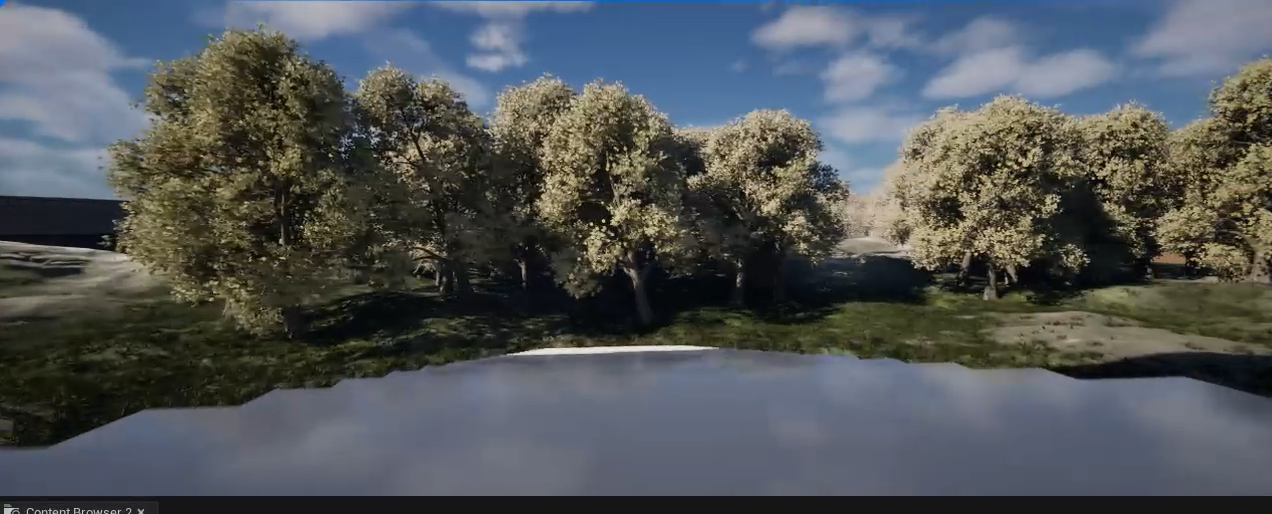
Exterior Navigation and Environmental Pathing
Upon exiting the Grand Library, the player is presented with a clear view of the radial paths leading into the surrounding forest. I utilized dense tree lines to act as natural boundaries, guiding the player’s eye toward intentional gaps that serve as gateways to the next functional zones. This approach prioritizes immersion by using the environment itself to define the playable space rather than artificial constraints.
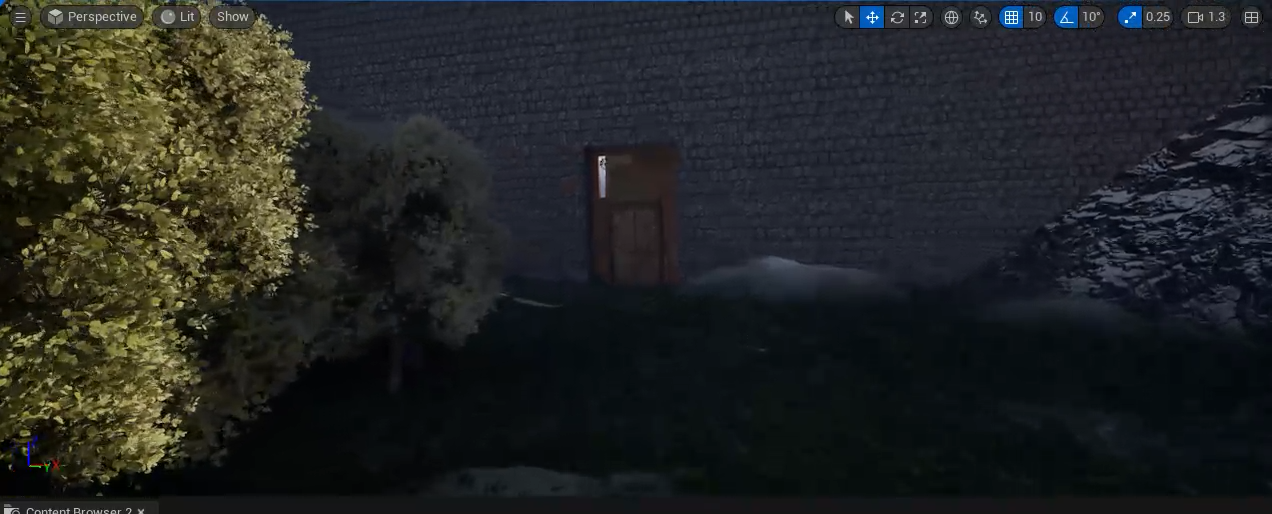
Narrative Gating and Quest Integration
I designed Tyr’s Gate as a specific narrative milestone within the hub world. This area serves as a physical gate that remains locked until the player triggers a specific quest from the NPC Jorin. By integrating the level design directly with the quest logic, the hub world evolves alongside the player's story progression, ensuring that new zones feel earned and meaningful.
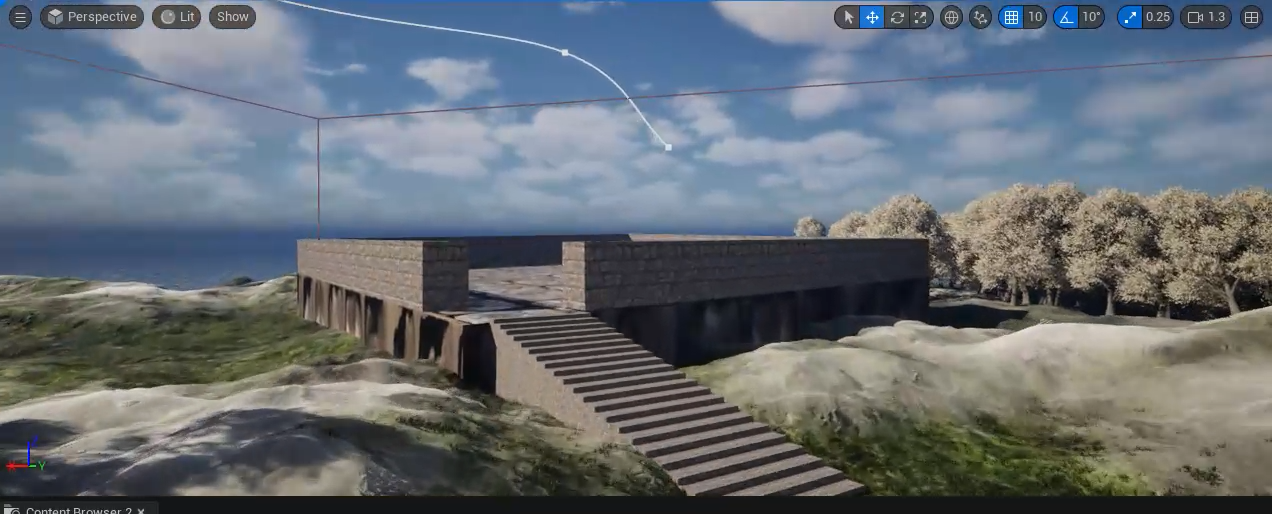
Combat Zoning and Structural Elevation
I designed Thor’s Arena to serve as a high-visibility sub-zone within the hub. By utilizing elevated foundations and a wide staircase, I created a clear "read" for the player, signaling a transition from exploration to a specialized combat or training area. The placement ensures the arena is easily identifiable from the central paths while maintaining a distinct physical boundary within the radial world layout.
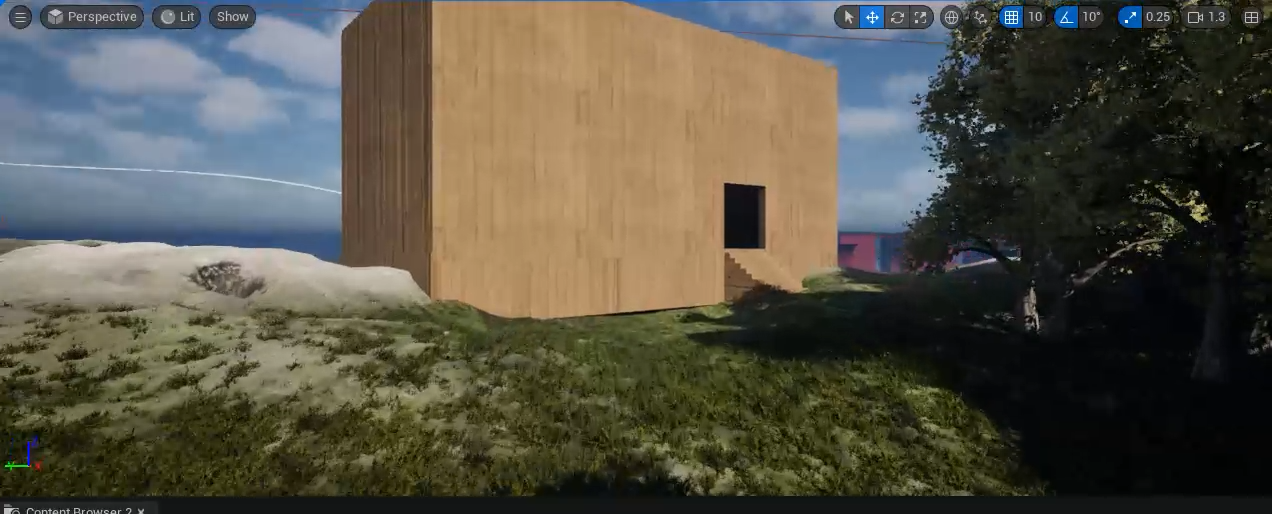
Social Anchors and Material Zoning
Baldr's Tavern is designed as a primary social anchor, providing a localized destination for NPC interaction and quest acquisition. During this structural phase, I utilized contrasting wood-grain materials to distinguish social structures from the marble-themed administrative buildings (like the Great Library), allowing for clear visual categorization of the world's functional areas.
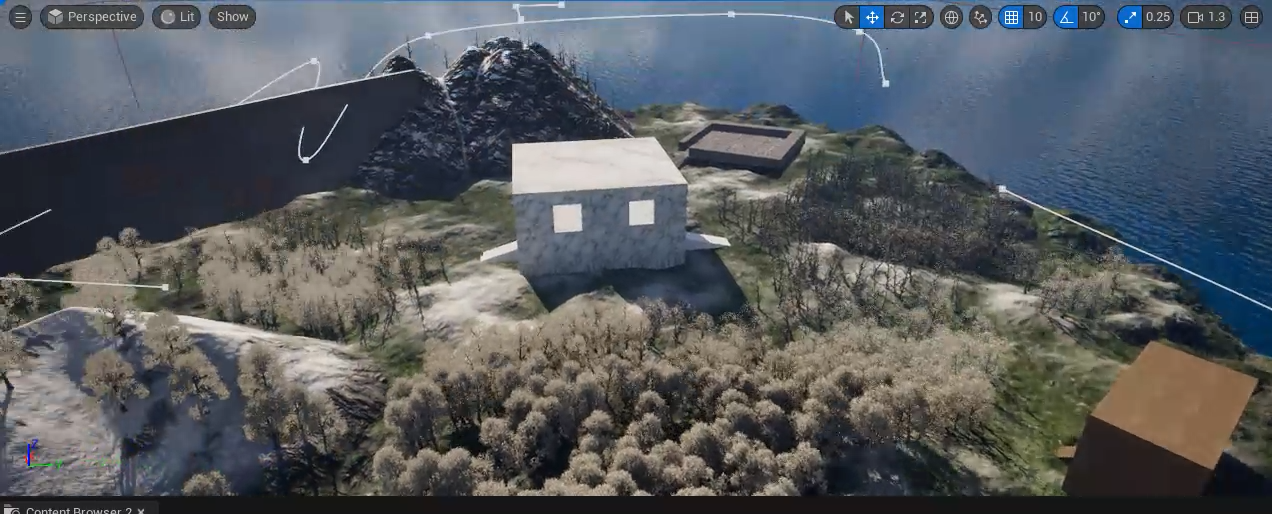
Structural Blockout and Spatial Flow: Radial Hub Layout
This birds-eye view illustrates the complete organization of the Asgard hub. From this perspective, you can see how the central Grand Library acts as the heart of the map, with functional areas like Thor's Arena and Baldr’s Tavern spread out evenly around it. This layout ensures that every major location is easy to reach from the center, creating a smooth and balanced flow for the player before we move into final lighting and art.